
How Do I Prepare My Store Operations for Black Friday and Holiday Returns?
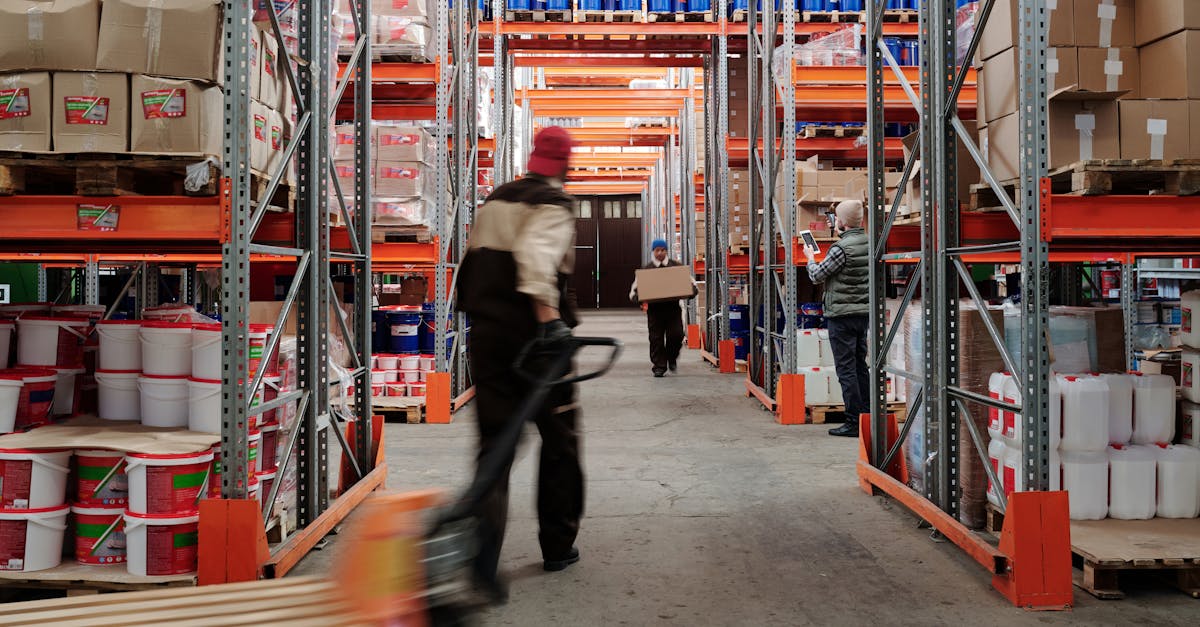
How to get ready for Black Friday and holiday returns
Getting ready for Black Friday and holiday returns comes down to a short list of moves: review your holiday return policy, define who approves what, set up exchange and store credit paths before refund paths, make return intake easy for shoppers, and make notifications fast for your team.
If you only have an hour, start here:
A lot of stores wait until the first spike in returns to clean this up. That is usually too late. Holiday returns are much easier to handle when the rules, routing, and customer flow are already in place.
If you want a simpler way to manage holiday returns, a branded returns portal can guide shoppers toward exchanges or store credit before refunds and keep the whole process in one place.
What are Black Friday and holiday return operations?
Black Friday and holiday return operations are the full set of tasks your store uses to receive, review, approve, and close return requests during peak season.
That includes more than the refund itself. It includes your return policy, the way shoppers start a request, the options they see first, the approval rules your team follows, the notifications your team gets, and the dashboard or inbox where decisions happen.
For OpoShop and EverBee merchants, this gets messy fast if returns are still handled by email. One shopper asks for a size exchange. Another wants store credit for a gift. A third sends two follow-up emails because they are not sure what the next step is. Now your team is piecing together context instead of moving requests forward.
A solid holiday returns setup covers these pieces:
- policy rules for holiday orders
- intake flow for return requests
- exchange options
- store credit options
- refund approvals
- request notifications
- status tracking
- final completion
That scope matters because holiday returns are not one task. They are a chain. If one link is loose, the whole thing slows down.
Why does holiday return prep matter for OpoShop and EverBee merchants?
Holiday return prep matters because manual returns that feel manageable in October can turn into a backlog in late November.
Peak season changes the math. Order volume goes up, gift purchases go up, size issues go up, and shoppers expect quick answers even while your team is handling promotions, shipping questions, and stock issues. A manual workflow that depends on shared inboxes and memory starts dropping details.
The real risk is not just speed. It is money.
Refund-first handling gives revenue away faster than most teams realize. If every return request lands in support and the easiest answer is "we'll refund it," you miss the chance to save the sale with an exchange or store credit. During the holiday season, that adds up.
There is also the customer side. A branded, clear returns flow feels more trustworthy than a back-and-forth email thread. Shoppers want to know where to click, what happens next, and when they will hear back. They do not want to guess.
For a lean team, holiday return prep protects three things at once:
| Area | What goes wrong without prep | What good prep fixes |
|---|---|---|
| Team workload | Requests pile up across inboxes, chat, and notes | Requests follow one path and are easier to process |
| Revenue retention | Refunds become the default outcome | Exchanges and store credit show up before refunds |
| Brand experience | Returns feel improvised and slow | Returns feel clear, branded, and professional |
And if you are thinking, "We are not big enough for a full returns system," that is usually the wrong frame. You do not need a giant ops stack. You need fewer moving parts, not more.
How do you prepare your store operations for Black Friday and holiday returns?
Prepare your store operations for Black Friday and holiday returns by locking the policy first, then building one clean workflow your team can repeat under pressure.
The best time to start is a few weeks before Black Friday. Not the night before your sale. You want enough time to test the shopper flow, train your team, and fix weak spots while volume is still normal.
A good workflow should look boring. That is a compliment. Boring means repeatable.
Here is a simple weak-versus-strong example:
Weak: "Email us your order number and tell us what happened." Stronger: "Use your secure order return link, choose exchange, store credit, or refund, and submit the request in one step."
The weak version creates back-and-forth. The stronger version creates structure.
A lot of merchants also ask what policy changes make sense for the holiday season. The usual ones are straightforward:
- extend the return window for gift orders
- add a gift return rule if buyers and recipients are different people
- make final sale items very clear before checkout
- explain refund timing in plain language
- spell out exchange eligibility for common holiday issues like size or color swaps
You do not need engineering work to do this well. You need a returns process your team can actually run.
Retain gives each order a private, secure returns link, sends an in-app notification on every request, and lets your team approve, deny, or complete returns from one dashboard.
Best ways to handle holiday returns: manual inbox workflows vs a dedicated returns portal
The best way to handle holiday returns at peak volume is usually a dedicated returns portal, because manual inbox workflows are slower, less consistent, and more likely to default to refunds.
Email can work when return volume is low. That is the fair answer. But Black Friday season is where email starts showing all its cracks. Messages get buried. Team members answer differently. Shoppers do not know the next step. Refunds get processed because they are faster than sorting out alternatives.
A dedicated returns portal fixes the front door and the back office at the same time. Shoppers get a clear branded flow. Your team gets one dashboard instead of scattered threads.
| Approach | Speed | Consistency | Brand experience | Refund prevention |
|---|---|---|---|---|
| Manual inbox workflow | Slow during spikes | Varies by agent | Usually unbranded | Weak |
| Shared spreadsheet plus email | Better than inbox alone | Still uneven | Still clunky | Weak to moderate |
| Dedicated returns portal | Fast and structured | Strong | Branded and clear | Stronger because exchange and store credit can come first |
The part a lot of teams miss is that returns are a conversion moment too. Not a new sale, obviously. But still a decision point. If the shopper is open to a size swap or store credit and your workflow never shows that option clearly, the store loses that chance.
Common mistakes that create holiday return chaos
Holiday return chaos usually starts with a few small mistakes that stack on top of each other.
The first mistake is an unclear policy. If shoppers cannot tell what is returnable, how long they have, or what happens with gifts and final sale items, support volume rises before the return even starts.
The second mistake is refund-first handling. That habit feels fast in the moment, but it trains the team to skip exchanges and store credit. The sale disappears even when a better outcome was possible.
The third mistake is scattered approvals. One request lives in email. Another is in chat. A third sits with a warehouse lead waiting for context. That is how backlogs form.
The fourth mistake is slow notifications. If nobody sees a request until hours later, the queue grows and shoppers send follow-ups. Now one return request becomes three conversations.
The fifth mistake is an unbranded experience. During the holidays, shoppers are already juggling shipping deadlines, gift issues, and post-purchase questions. A generic or improvised returns flow makes the store feel less organized than it really is.
If your current process sounds familiar, that does not mean you need to rebuild operations from scratch. It usually means you need one cleaner system and clearer rules.
What we recommend for a lean, revenue-protecting holiday returns setup
We recommend a branded returns workflow that puts exchanges and store credit before refunds, gives every order a secure return link, and keeps every decision in one dashboard.
That setup fits lean OpoShop and EverBee teams because it cuts down on back-and-forth without asking for engineering work. Shoppers get a professional return experience. Your team gets faster intake, faster decisions, and fewer loose ends.
The real win is not speed alone. It is control. You can review requests, approve or deny based on policy, and complete the process without hunting through inbox threads.
Best answer: For most OpoShop and EverBee merchants, the cleanest holiday returns setup is a branded portal that nudges exchanges or store credit before refunds and sends every request into one dashboard for fast review. That approach protects more revenue, reduces manual work, and gives shoppers a return experience that still feels on-brand during peak season.
If you want your holiday returns process to feel organized before the rush, this is the place to start.
FAQs
When should I start preparing for Black Friday and holiday returns?
Start preparing a few weeks before Black Friday, while normal order volume still gives your team room to test the workflow. Early setup gives you time to review the policy, train staff, and catch gaps before returns spike.
What return policy changes should I make for the holiday season?
Most stores should clarify holiday return windows, gift return rules, final sale exceptions, exchange eligibility, and refund timing. Holiday shoppers do better with plain language and fewer surprises.
How can I reduce refunds during holiday returns?
Reduce refunds by showing exchanges and store credit before refund options in the return flow. That works best when the shopper can choose an alternative right when the request starts, not after a long support thread.
How do I handle a spike in return requests without hiring engineers?
Handle a spike in return requests by using a system that gives each order a secure returns link, sends in-app notifications for every request, and keeps approvals in one dashboard. That removes a lot of manual coordination without a custom build.
What should my returns workflow look like during Black Friday season?
A Black Friday returns workflow should be simple: shopper starts the request, sees exchange or store credit options first, submits the request, your team gets notified, and the request is approved, denied, or completed in one place. The simpler the path, the easier it is to keep up when volume jumps.
How can I encourage exchanges or store credit instead of refunds?
Encourage exchanges or store credit by making those options easy to understand and easy to choose. If the refund option appears first and the alternatives are buried in email, most shoppers will take the refund.
What operational mistakes cause holiday return backlogs?
Holiday return backlogs usually come from unclear policies, inbox-based intake, scattered approvals, slow notifications, and no standard process for simple cases. Each problem looks small on its own. Together they slow the whole team down.
How do I give shoppers a professional branded returns experience?
Give shoppers a professional branded returns experience by replacing ad hoc support emails with a clean returns flow that matches your store and explains each step clearly. Shoppers should know where to start, what options they have, and what happens next.
Summary: a simple holiday returns plan you can put in place now
A good holiday returns plan is not complicated. It is clear.
Set the policy before peak season. Build one repeatable workflow. Put exchanges and store credit in front of refunds. Give shoppers a secure, branded way to start the process. Make sure your team gets notified fast and can approve, deny, or complete requests from one place.
Get your holiday returns workflow ready with Retain so you can reduce manual work, protect revenue, and offer a more professional returns experience.


